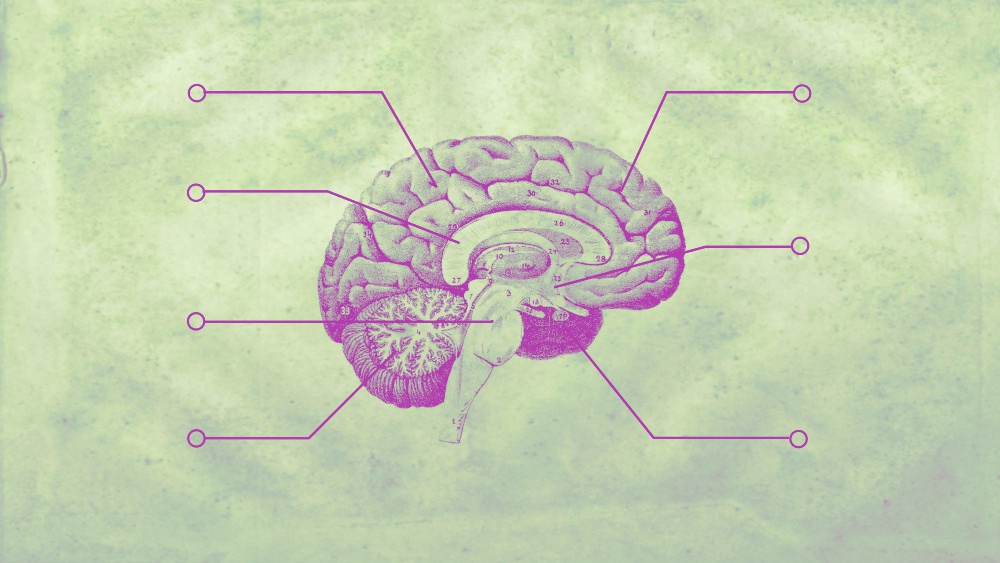
Humans are capable of astonishing accomplishments that we do not see even among our closest natural relatives. What allows us to do this is our particular brain anatomy and function. A quick and dirty way to see this is Dan Siegel’s Hand Model of the Brain.
This model breaks the brain down into 3 rough parts:
- The reptilian brain – the oldest and most basic part of the brain responsible for keeping us alive (basic body functions, the fight/flight/freeze response to danger)
- The mammalian brain – this is more recently evolved and takes care of stuff like memory, emotions, behaviour
- The neocortex – This part of the brain is very recently evolved and is what makes humans special by honing attention, self-control, planning, abstract thought, creativity, etc.
The neocortex (new brain) is what allows us to have language, architecture, smartphones, your favourite recipe or that perfume that makes you remember grandma.
When we get overwhelmed, scared or triggered by the fight/flight/freeze response, our body produces cortisol. Excessive exposure to cortisol basically limits the function of the neocortex. We become unable to think clearly and the more automatic parts of our brains take over.
In some circumstances this is a good thing. From the reptilian brain to the neocortex, each part gets slower. The reptilian brain responds nearly instantly, but the neocortex can take much longer. Even though this difference is measured in microseconds, this could be the difference in life or death. Let’s imagine that a tiger were to jump out of a hedge at you. You are far more likely to live if you jump out of the way and start running before you stopped to wonder if this was your neighbours new pet who just wants to play.
Though we may prize the neocortex over more primitive parts of the brain, all three have important roles to play. The healthy integration of these 3 brain regions help us survive, understand our world and feel connected to others. On the other hand, we can be exposed to events so intense that our brains begin to see things as mortal danger when they are not. This puts us into fight/flight/freeze more easily to protect us from these perceived dangers. When this reaches a point where it impacts our lives we refer to it as trauma.

 Cameron Adams Couselling